Home vs Office Cooling Needs in Canberra Explained
When we talk about air conditioning services, it is easy to forget that what works in a home might not suit a workplace.
The needs are quite different, even if the goal is similar: to keep indoor spaces feeling comfortable. As March comes to a close in Canberra, we start to feel those cooler mornings sneak in, while the late afternoons can still hold a bit of warmth. That mix of temperatures affects how both homes and offices use air conditioning, and it is a good time to take a closer look at the differences.
It is not always about system size. It is about how we live, how we work, and when and where cooling matters most. Knowing the differences can help avoid the wrong system for the wrong space, which often leads to uneven cooling, wasted energy, or more wear than needed.
The Purpose of Air Conditioning at Home
At home, cooling tends to focus on comfort during very specific parts of the day. Most people care about temperature control in the afternoon and early evening, when they are back inside after work or school. Bedrooms might need use later in the evening or overnight, especially during warmer nights. During work hours, many areas of the house stay unused.
Because of that, home systems are often smaller and simpler. Split systems or zoned ducted systems can handle the load just fine since there is not a heavy demand across all rooms at once. It is usually just the living room, kitchen, or a bedroom or two that need cooling.
• Systems for homes focus on comfort over smaller periods
• Family routines guide how and where air is needed
• Less complex systems mean easier control and lower running costs
That is why there is often a push toward energy efficiency and quiet operation in the home space. Homeowners want something that works well and fades into the background without fuss.
Office Spaces Need More Consistency
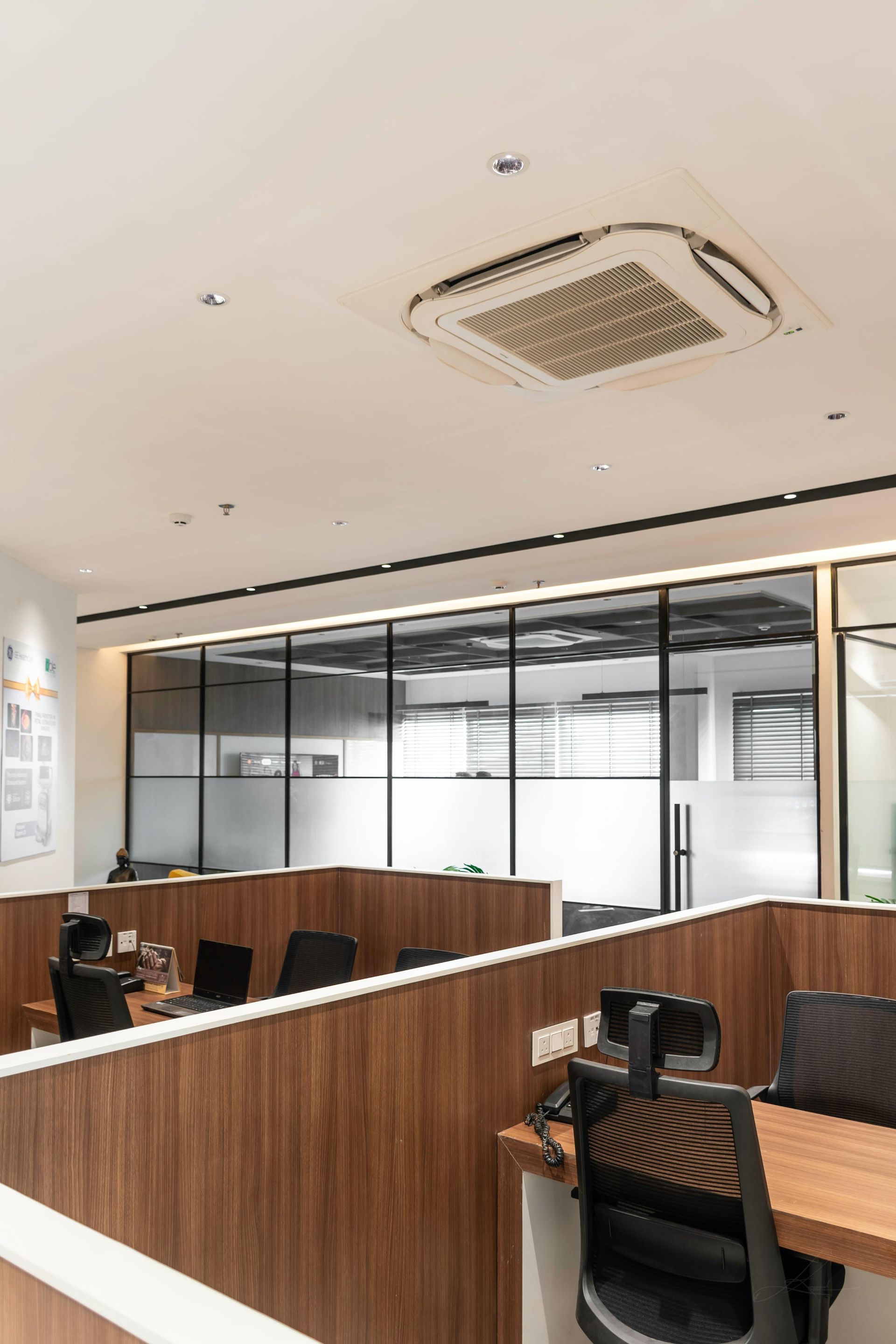
Unlike homes, offices need predictable, even airflow from the start of the workday to the end. With staff coming in and out, electronics running, and meetings scheduled back to back, the temperature needs to stay steady across all rooms.
Most commercial systems are built with these longer hours in mind. Zoned ducted systems with higher capacity are common, especially in offices split across multiple rooms or open-plan floors. There is usually a stronger need for automated controls as well. That might look like timed cooling schedules, sensors that adjust based on movement or load, or remote access via app-based controls.
• Offices run longer daily hours and need full-day cooling
• More people means more airflow and steady temperature throughout
• Central control helps manage use automatically
When everything works properly, the system regulates itself without much manual input. If it does not, complaints can add up quickly from cold meeting rooms or hot workstations.
Design, Layout, and System Capacity
The shape and use of the building can heavily influence air conditioning choices. Homes have simple layouts by comparison, mostly separate rooms, one or two levels, and usually smaller total floor space. That makes split systems or compact ducted units a solid match.
Offices bring different demands. The layout might include long hallways, open desks, glass-walled meeting rooms, and shared areas like kitchens. These all heat and cool differently. Ceiling height and how many internal walls there are can affect how the air moves and whether it reaches where it needs to.
• Homes often need less ductwork and usually shorter runs
• Offices can require extra capacity, duct adjustments, or special zoning
• Layout and ceiling height play a big part in performance
This is why two buildings with similar square meterage can need totally different systems. In an office, one side might overheat through wide windows while another stays cold. Balancing that kind of space takes more planning up front.
AGA Air Conditioning helps both homeowners and business owners across Canberra by customising each system to suit the building's layout and daily routines. We also offer quiet, energy-efficient solutions for homes and advanced climate control options for offices.
Maintenance and Usage Habits
How often the system is used affects how often it should get checked. At home, systems might only run in the late afternoon or evening, and sometimes not for days at a time in mild weather. That kind of stop-and-start use is lighter on parts and filters.
Offices do not get many breaks. Most operate five days a week, all day, through every season. Shared spaces like meeting rooms, staff kitchens, and reception areas mean more people breathing the air and more chances for dust and allergens. Electronics and lighting also add heat to the space, making the system work harder.
• Homes usually need light maintenance once or twice a year
• Offices rely on routine checks to stay reliable with full-day use
• Warning signs like noise or hotspots vary between home and office settings
Ignoring small signs, like a unit switching off too soon or noise when it starts, can lead to bigger breakdowns. For workspaces, that often means actual downtime. At home, it might just mean a few uncomfy days.
Seasonal Adjustments in Canberra
This time of year in Canberra brings a shift worth noting. Late March usually kicks off a stretch of unpredictable days, sunny and warm in the afternoon, cooler in the morning and evening. That overlap of two seasons makes it tricky to rely on a single set-and-forget schedule for cooling.
In homes, it is usually fine to adjust temperature settings or run the system later in the day. The mornings do not usually need cooling just yet. In offices, comfort needs to cover the full workday, which means planning for both warm bursts after lunch and cooler patches earlier on.
• Homes benefit from shifting cooling times to match changing daily use
• Offices often need steady temperatures all day, not just peak heat periods
• Smart timers and zoning can cut down waste without losing comfort
Systems that adjust airflow and temperature automatically based on time or room activity really help during seasonal transitions. They stop the system from pushing cold air when nobody needs it.
Creating Comfort Where It Counts
Getting the right setup for your space means thinking not just about how big the building is, but how it is used day to day. Home systems need to line up with family habits that change from one room to the next. Offices call for steadier control that keeps up with a full day of movement and heat output.
When we look at how air conditioning services differ between homes and offices, it becomes clear that no single system fits both. Matching the system to the shape, schedule, and everyday use of the space helps avoid problems down the track, from uneven temps to wasted energy. Paying attention to seasonal shifts, especially across months like March, can help stretch the life and performance of whatever cooling setup you have.
Ensure your home or office is perfectly cooled no matter the season by exploring AGA Air Conditioning’s comprehensive air conditioning services. We specialize in tailoring solutions that match the unique requirements of your space, whether you need precise climate control in a bustling office or energy-efficient systems at home. Let us help you maintain comfort and efficiency as the cooler months approach. Reach out to AGA Air Conditioning today to prepare your space for whatever Canberra’s climate brings.